
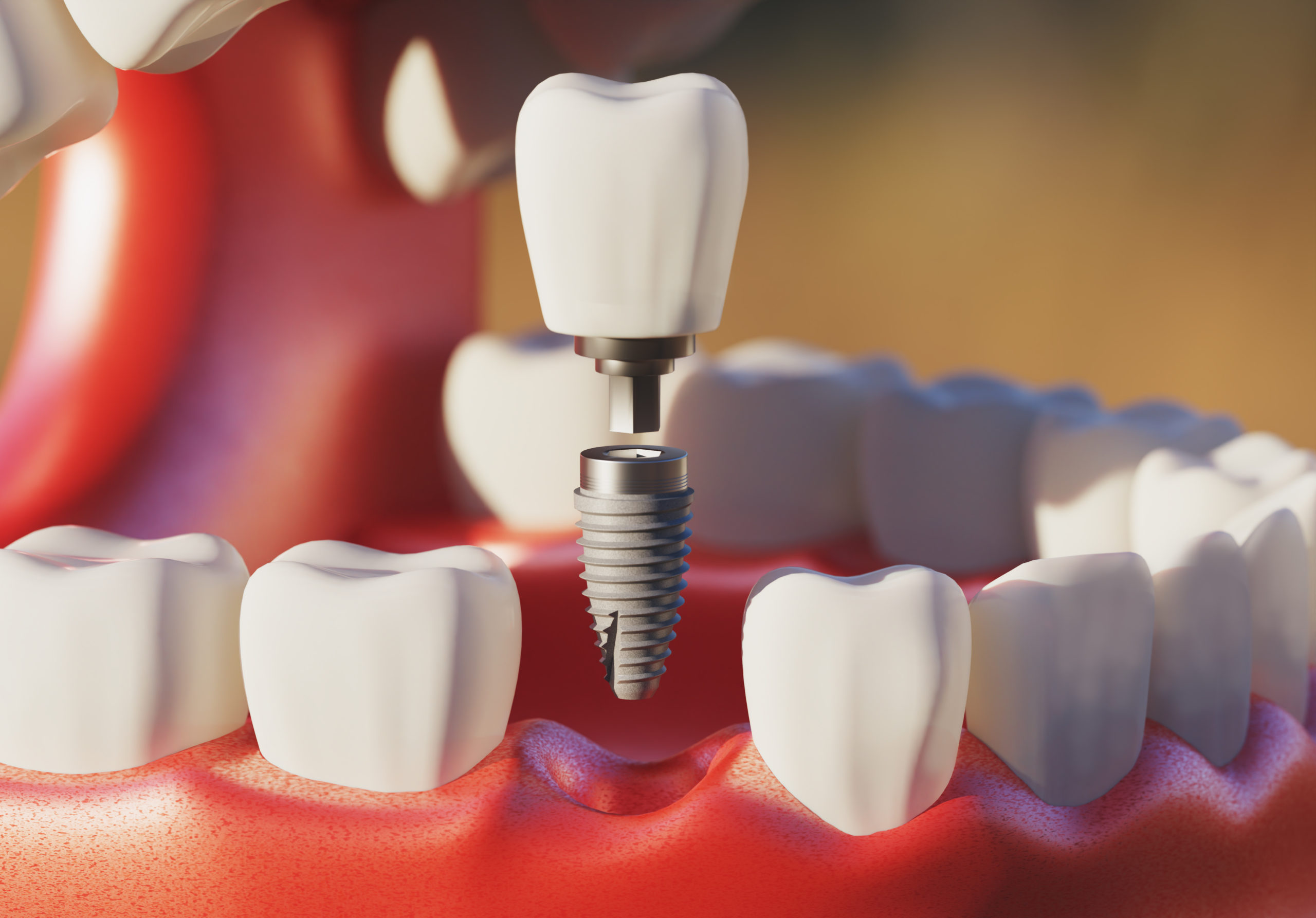
Typically, dental bridges are supported by natural teeth on either side of the gap. But can dental bridges attach to implants? In this article, we discuss this question and talk about the advantages and procedure of implant-supported bridges.
Can Dental Bridges Attach to Implants?
A dental bridge is a type of restoration used to replace one or multiple missing teeth in a row. Bridges are typically supported by the natural teeth on each side of the gap. However, bridges can also be supported by dental implants. This type of restoration is called an implant-supported bridge.
Implant-supported bridges are typically used:
- To replace multiple missing teeth in a row
- When surrounding natural teeth can not sufficiently support the restoration.
- To replace an entire arch of missing teeth (an arch of artificial teeth is supported by 4 or 6 dental implants)
Benefits of Implant-supported Bridges
Bridges that are attached to dental implants can have several advantages compared to traditional bridges supported by natural teeth:
- Implant-supported bridges offer more stability and superior biting and chewing force.
- Implants that support the bridges prevent the process called jawbone resorption, bone density loss that naturally occurs when natural teeth are missing, by stimulating the bone similar to the roots of your natural teeth.
- Traditional bridges, which are supported by natural teeth, can eventually cause the natural teeth to wear out prematurely. Also, the supporting teeth have to be filed down to fit the dental crowns that the bridge is attached to.
- With implant-supported bridges, the surrounding natural teeth are unaffected and can remain healthy longer.
Who Is a Good Candidate for Implant-Supported Bridges
Placement of dental implants that will support your bridge is a surgical procedure that requires the patient to have good oral and general health. Otherwise, the implants will not heal successfully or can fail with time. Typically, implants can not be placed in the following cases:
- Active gum disease
- Tooth decay and cavities
- Insufficient jawbone density
- General health issues that affect the bones or your body’s capacity for healing (for example, uncontrolled diabetes, certain types of cancer, and immunodeficiency)
Oral health issues, such as tooth decay and gum disease, must be treated before implant placement. In cases of insufficient jawbone density, additional procedures, such as bone grafting, may be necessary to restore bone density.
The Procedure of Implant-supported Bridges
As we mentioned earlier, implant placement is a surgical procedure. Your dentist will assess the jawbone and place a screw-like post into it. Subsequently, this post will fuse with the jawbone and act like the roots of a natural tooth.
Implant surgery is always done using a local anesthetic or sedation to ensure that the patient does not experience pain or significant discomfort. In most cases, dental implants are placed several months before bridges are attached. Typically, 4 to 6 months are needed for the implants to heal sufficiently and become stable enough to support the bridge.
Once dental implants heal, a bridge will be securely attached to them. This second part of the procedure does not cause pain and typically does not require downtime for recovery.
In some cases, a bridge can be placed on the same day as dental implants, typically for aesthetic concerns. However, the implants will still take 4 to 6 months to heal.
Get Dental Bridges at Valley Alder
If you need to replace one or multiple missing teeth, do not hesitate to make an appointment with an experienced dentist at Valley Alder. At our office, we offer a variety of modern dental restoration methods and will choose an option that best accommodates your needs and preferences.
