
Dental Implants
Dental Implant Treatment Benefits
- Preserve Facial Structure
- Boost Confidence and Self-esteem
- Natural Results
- Prevent Bone Deterioration
- Improve Speaking Ability
- Replace Dentures
Dental Implant Treatment Candidates
Bone Grafting Procedure
Dental Implant Procedure
Emergency Dental Appointment

Dental Implants Aftercare
How Long Do Dental Implants Last?
Dental Implant Treatment at Valley Alder Family Dentistry
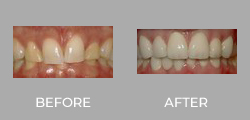
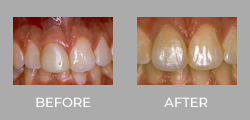
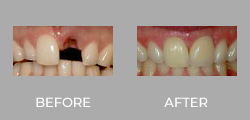
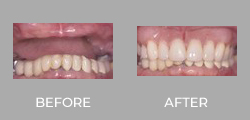
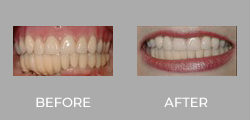
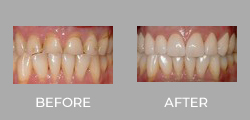
Dental Crown Patient Before & Afters
Dental Implants FAQs
A single dental implant costs between $3,000 and $6,000 depending on the technique and materials used. Full mouth replacements, such as all-on-four or all-on-six, can cost between $15,000 and $50,000.
Often, dental implants are classified as a cosmetic or elective procedure. As a result, they are not covered by insurance or may be covered only partially by some insurance plans. The surgical placement of the titanium implant post itself is excluded on many basic plans, but crown placement might be partially covered. We recommend contacting your insurance company to learn what coverage you may expect.
Dental implants are universally considered more comfortable, secure, and long-lasting than traditional dentures and dental bridges for the following reasons:
- Dental implants are surgically inserted directly into the jawbone and fuse with it over time. As a result, they are very stable and reliable, providing up to 100% of natural biting and chewing force. In comparison, traditional dentures provide only around 20% of the natural biting and chewing force.
- Since dental implants fuse with the jawbone, they stimulate the jaw similar to the roots of natural teeth, preventing jawbone resorption (density loss). As a result, dental implants also prevent shifts in the way your teeth and bite are aligned and changes in facial structure.
- Dental implants last for decades (you will need to replace only the crowns every 10 to 15 years). In comparison, bridges last for 7 to 12 years and dentures for 5 to 7 years.
Dental implant surgery is typically not painful because it is performed under a local anesthetic or conscious sedation. However, you may experience some soreness, pain, and swelling in the following one to two weeks after the procedure. These symptoms are usually mild and can be managed with over-the-counter painkillers.
The initial recovery after dental implant surgery takes from 10 days to a few weeks, depending on how fast your body can regenerate. Once the initial recovery is complete, the implant will gradually fuse with the jawbone. This is the second part of the recovery process and can take 4 to 8 months. Then, the crown can be attached, and the implant becomes fully functional.
Dental implants have three main parts: a metal post (the implant itself), a crown, and an abutment (connects the crown to the implant). The post and the abutment are usually made of titanium, and the crown can be made of porcelain, zirconia, or porcelain-fused-to-metal. All these materials are durable and long-lasting.
We accept most dental insurance plans, including non-managed care, indemnity (traditional), and PPO out-of-network. However, insurance may not cover an implant procedure or may cover only a part of it. We recommend contacting your insurance company to learn more about implant coverage. Additionally, we offer flexible payment plans and financing. Do not hesitate to call our office at (909) 328-6787 to learn the details.
When you lose a natural tooth, your jawbone starts losing its density as the tooth no longer stimulates it. In the first year after losing a tooth, you can lose up to 20% of the bone’s density. As a result, you may notice changes in the facial structure or in the way your teeth and bite are aligned. Getting a dental implant promptly after losing a natural tooth helps prevent jawbone density loss and the changes associated with it.